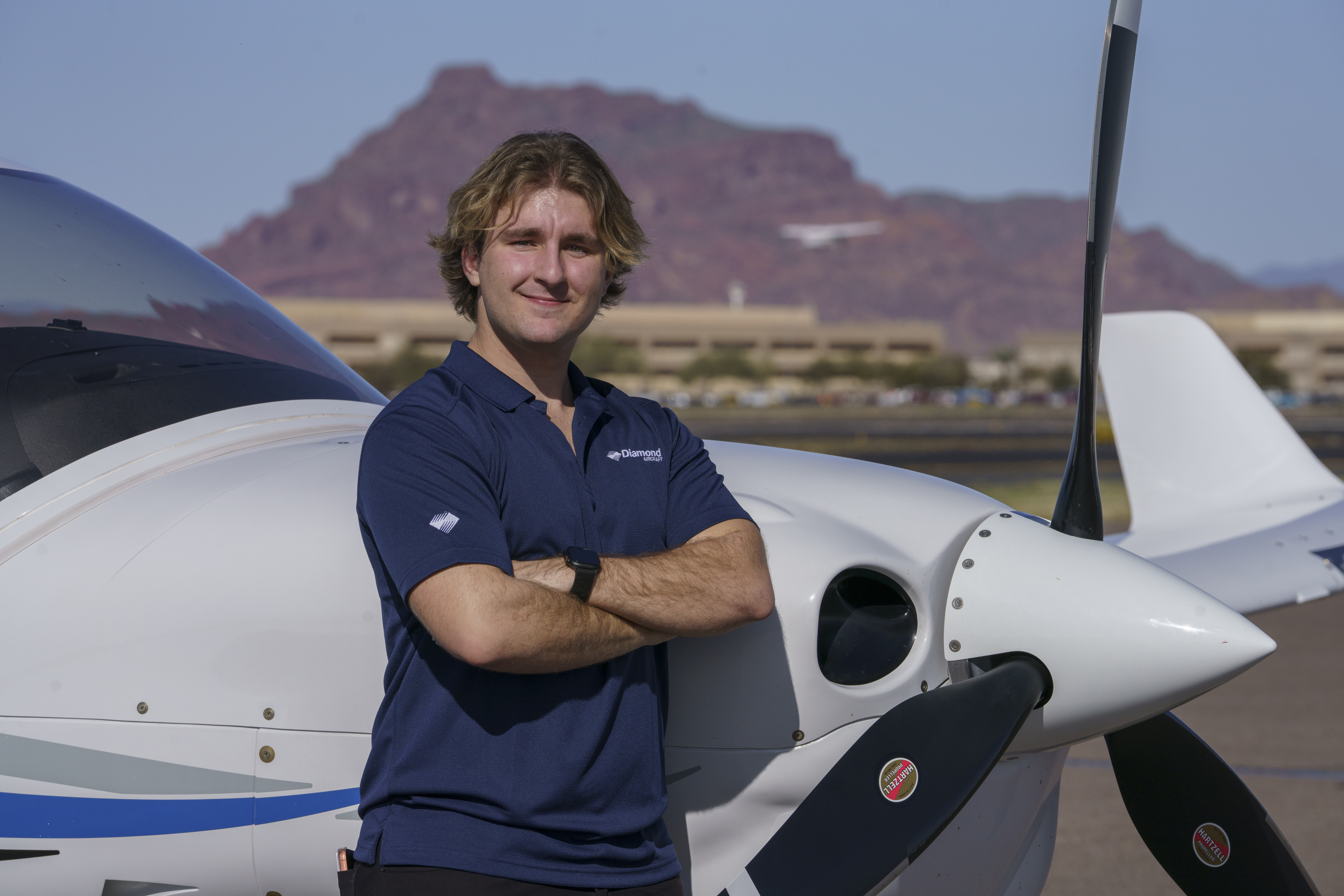
903 miles on day one. A wall of thunderstorms on day two. The story of how we brought a 2020 Diamond DA40NG from Fort Lauderdale Executive to its new home at Falcon Field.
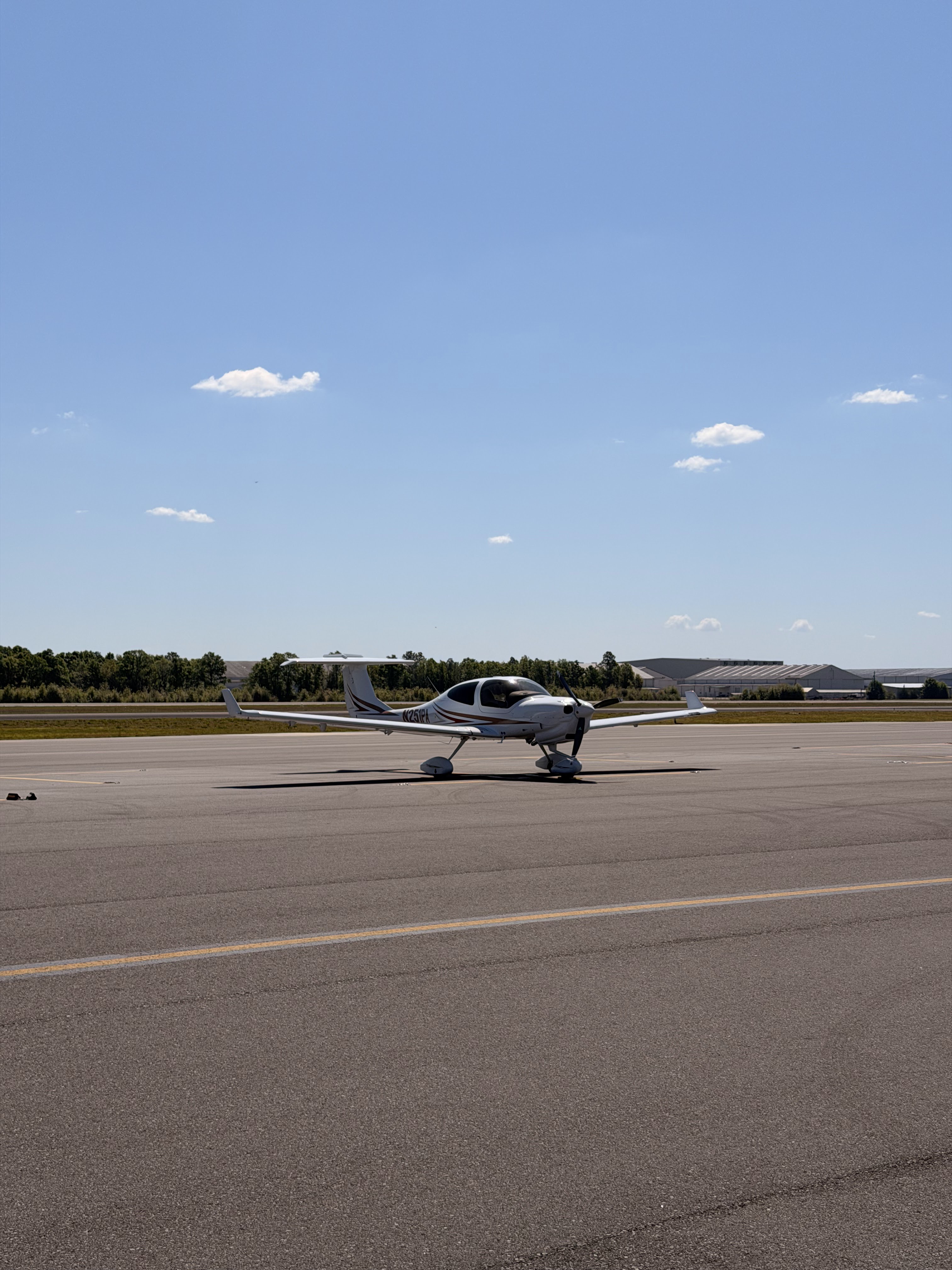
We picked the airplane up at Fort Lauderdale Executive Airport, a 2020 Diamond DA40NG that still felt brand new. Air conditioning, diesel engine, clean panel — the kind of airplane that makes you slow down a little on preflight because you don't want to miss anything. First leg took us from KFXE to Crestview Bob Sikes Airport, 433 nautical miles just to get into a rhythm. We grabbed fuel and lunch at the Stick and Rudder pub, then pushed on another 426 miles to Liberty Municipal Airport for some of the cheapest Jet A you'll find anywhere. A short hop later, we shut down for the night at David Wayne Hooks Memorial Airport after 903 miles of flying on day one.

Day two is where it got real.
We woke up and pulled the weather, and it wasn't subtle. A wall of thunderstorms stretched from Mexico all the way up toward Fort Worth — directly in our path. And it wasn't getting better. Everything we looked at said it would only build as the day went on. That's the kind of moment where the plan stops being a plan and turns into a decision.
We called Flight Service, talked it through with a briefer, and started looking for something workable instead of something perfect. There was a gap. Not a big one, not a comfortable one, but a real one. From Houston down to San Antonio International Airport, about 155 miles. We made the call to go.
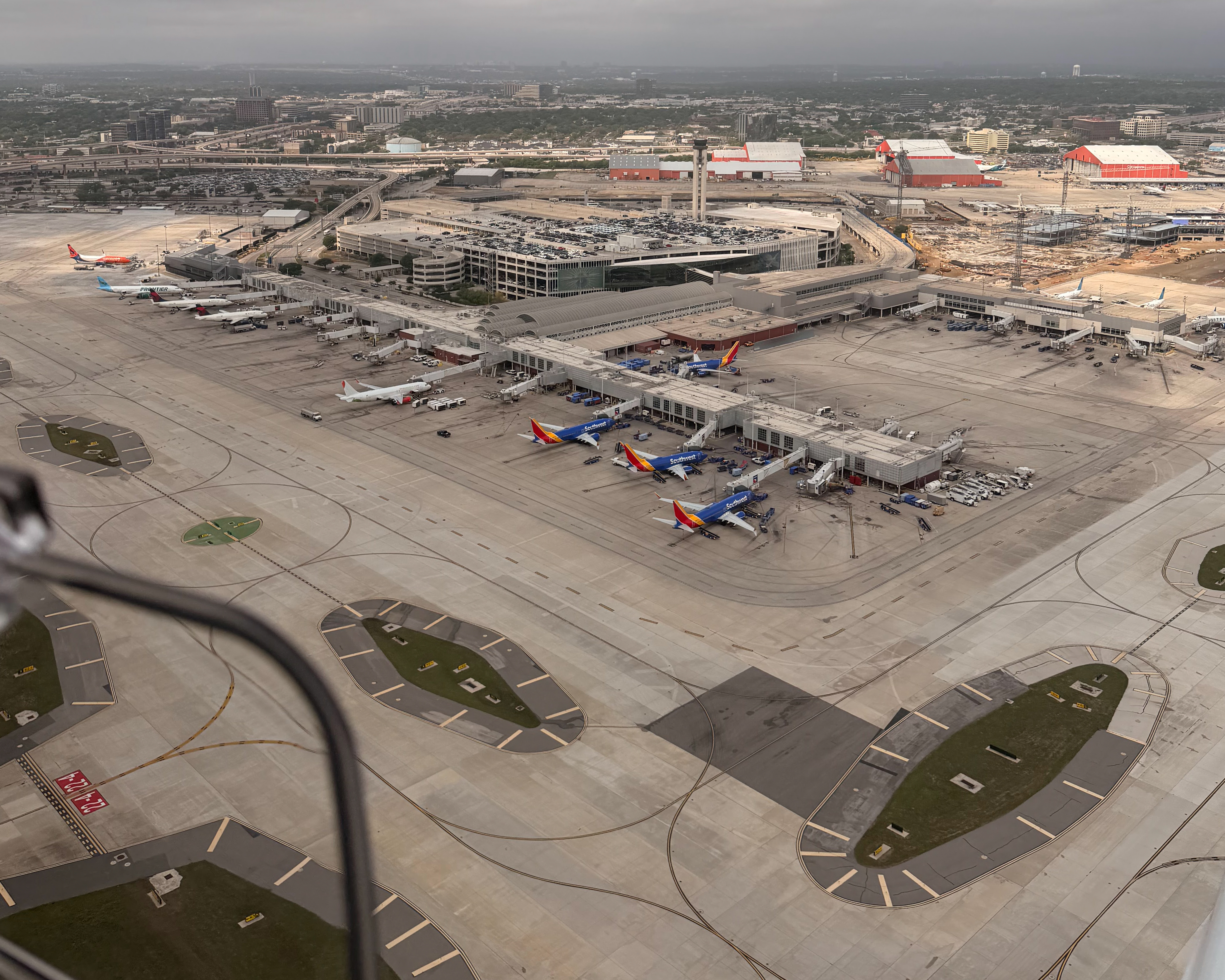
That leg was all about staying ahead of the picture. Watching radar, cross-checking everything, and committing to the path we chose. It worked. We made it through clean and put the airplane in a hangar in San Antonio, letting the next round of storms pass while we waited on the ground instead of in the air.
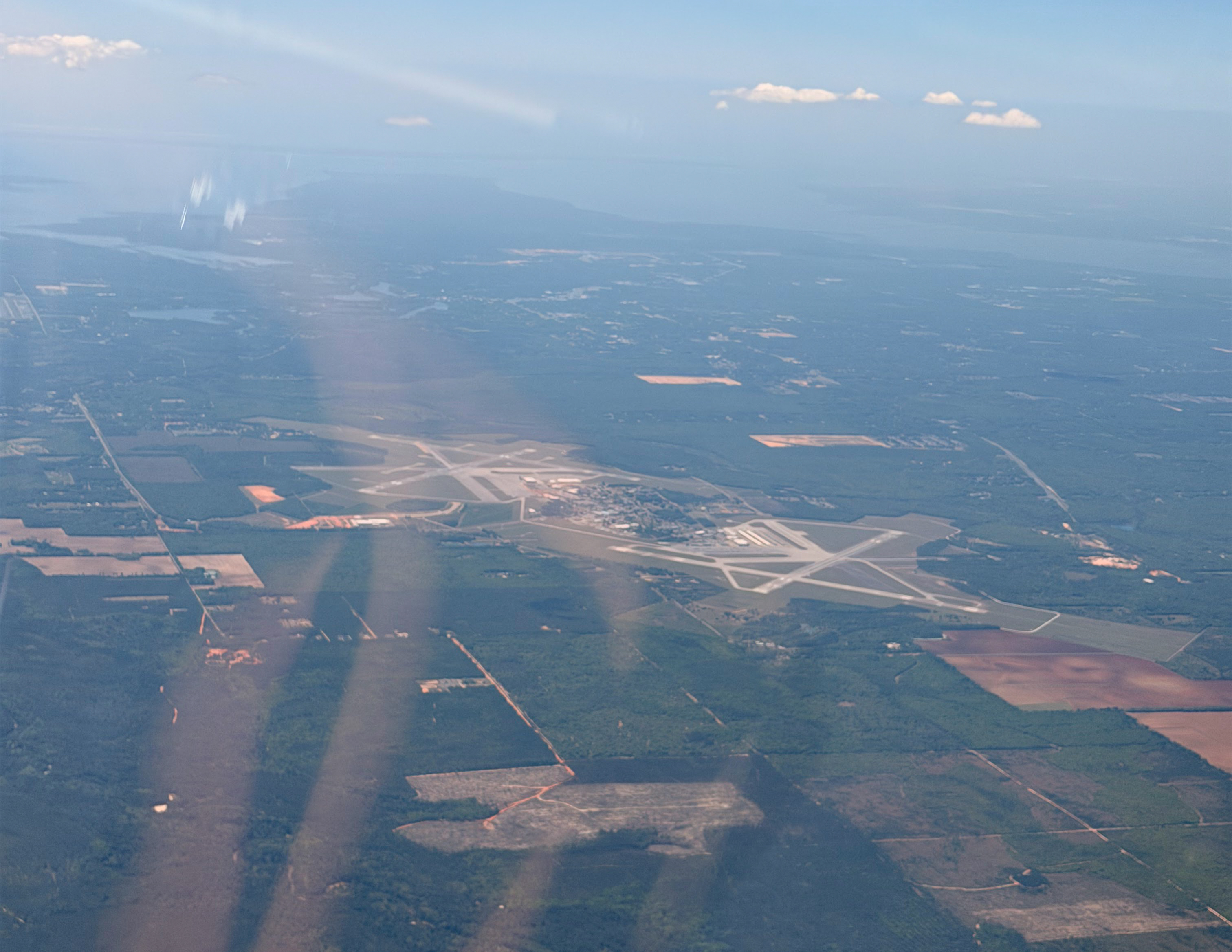
When the next opening showed up, we filed again and launched. That part felt different. Once we broke out on the other side, it was smooth air and clear thinking again. We shot the RNAV into San Antonio earlier down to minimums in full IMC, which was a good reminder that even in a brand-new airplane, you're still relying on fundamentals when it counts.
From there, it turned into a long push west. 466 nautical miles to Las Cruces International Airport, then another 253 back home. Total trip: 17.2 hours over two days, crossing most of the southern U.S.
The airplane itself made it easier. At 75% power, we were burning about 6.4 gallons per hour, cruising right around 140 knots true at 10,000 feet. For the distances we were covering, that efficiency mattered. Less fuel stops, more flexibility, and a lot more margin in planning.
By the time we left Las Cruces for the final leg, the fatigue was real. Not dramatic, just heavy. The kind where everything takes a little more effort, and you're leaning on discipline instead of energy. That last 253 nautical miles felt longer than anything before it.
We landed at Falcon Field Airport just before sunset, taxied across the field, and pulled onto the Flight Stars ramp. Shutting down that engine for the first time at home felt different than any other shutdown I've had. Not because of the airplane, but because of what it took to get it there.
Being the first one to bring N251PA into the fleet, parking it where it'll start training the next group of students — that part sticks with you.
Gavin Stella
Flight Instructor · Flight Stars