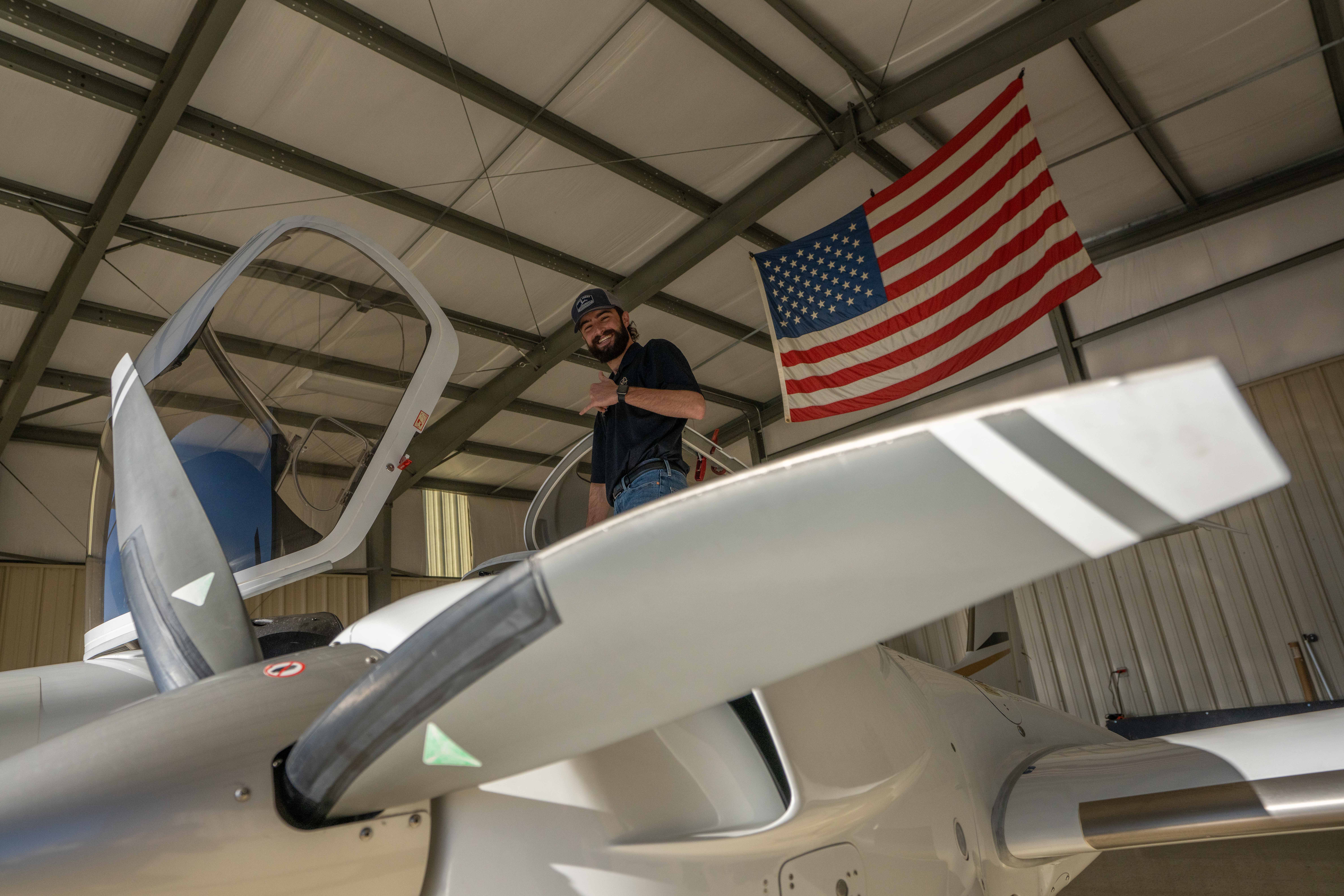
An engine failure at 400 feet is one of the most important maneuvers we train — and one of the least forgiving. A reflection from the right seat on what one moment with a student changed about how I teach.
At the end of a lesson a few months ago, one of the CFIs I was working with while he earned his MEI sat in the right seat a little longer than usual after shutdown. He didn't reach for the checklist or his phone. He just looked over and asked how I would handle a situation with one of his students. It wasn't a technical question — it was a judgment question about one of his students. That stuck with me more than anything we had done in the airplane that day.
We spend a lot of time as pilots being the one with the answers, but moments like that are a reminder that we're all still figuring things out. I tell the younger CFIs I work with the same thing now: ask each other questions. Ask how someone teaches a concept, why they teach it that way, what they do when a student freezes or gets behind the airplane. Those conversations matter more than people think. Aviation has a way of humbling you if you try to do it alone.
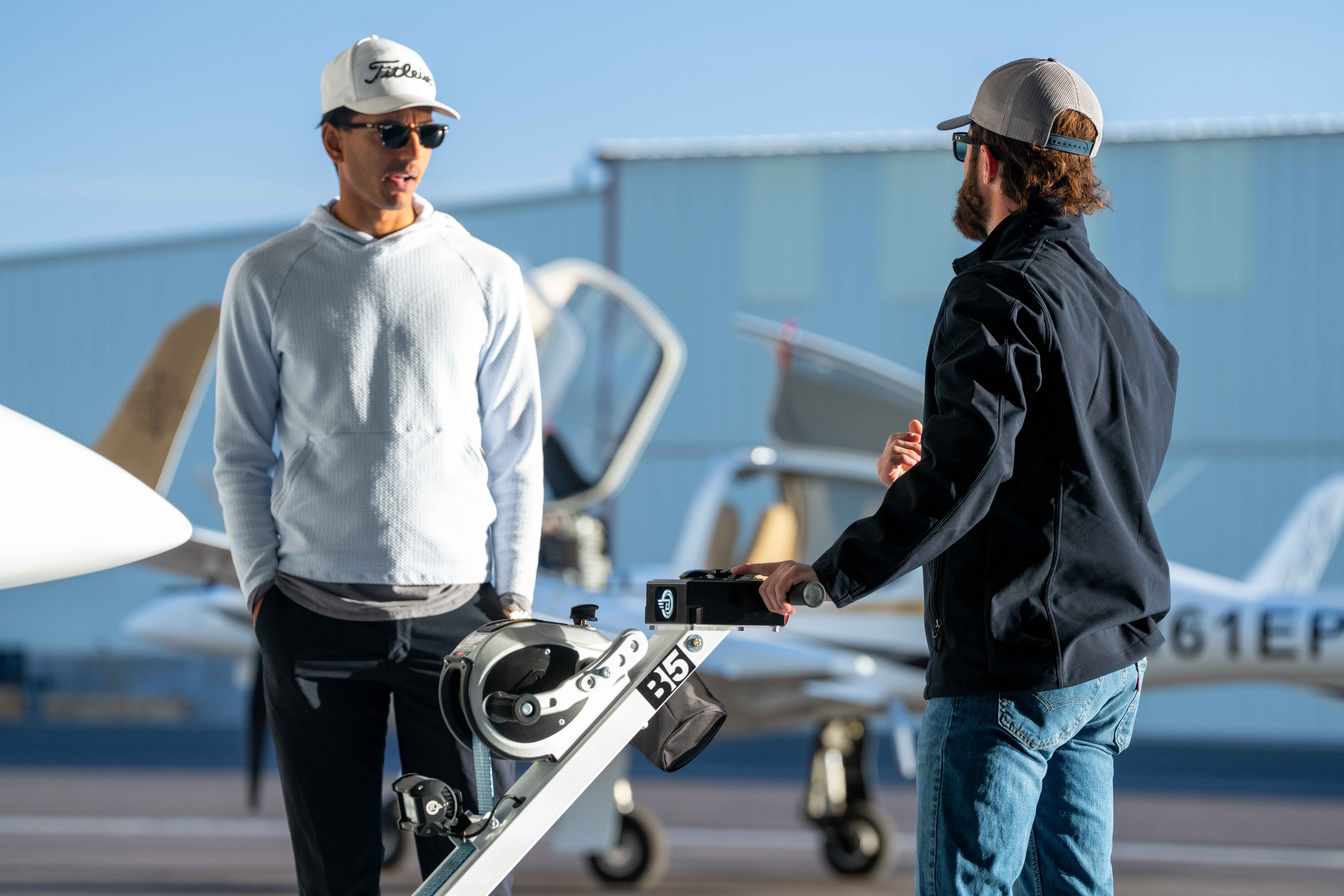
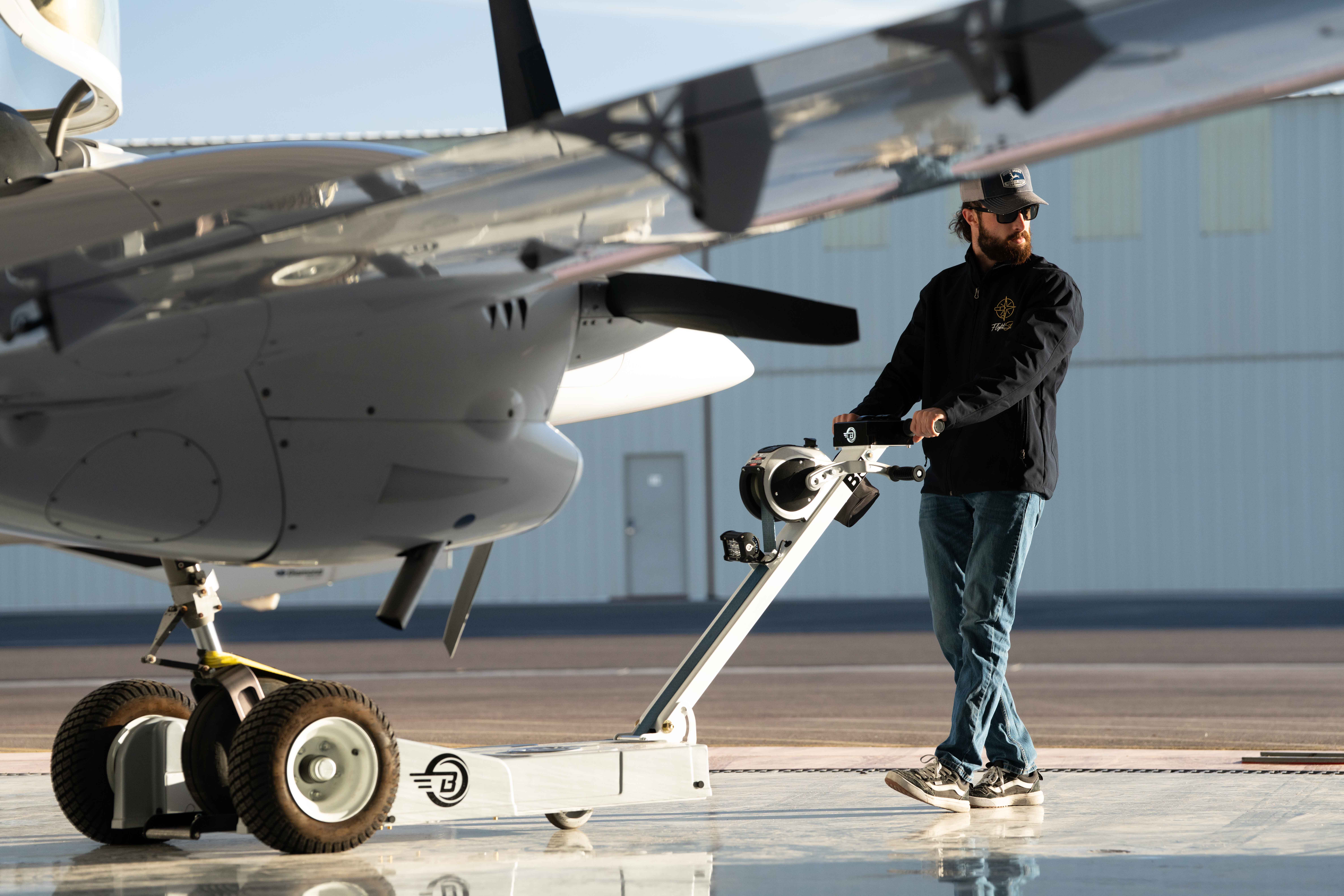
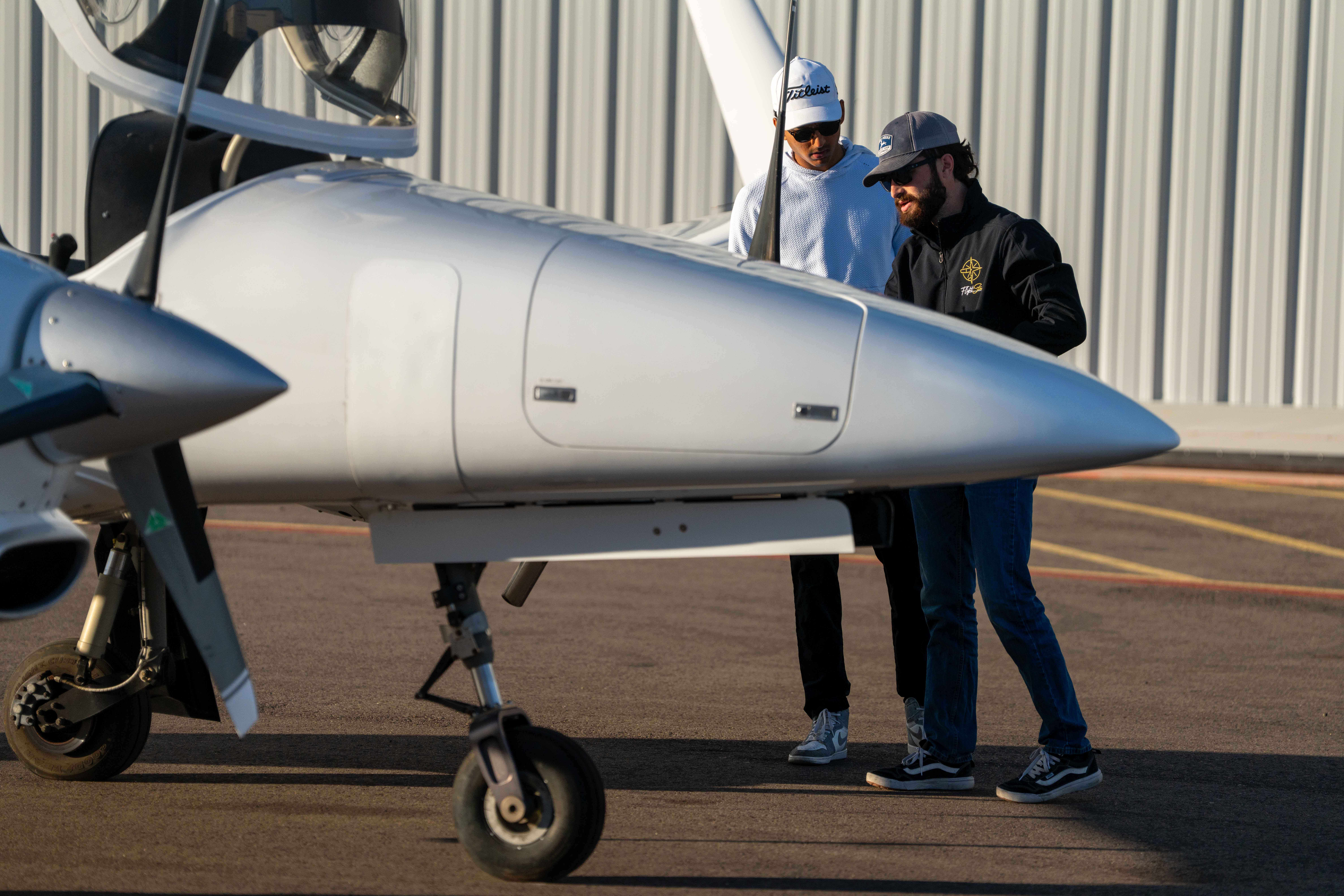
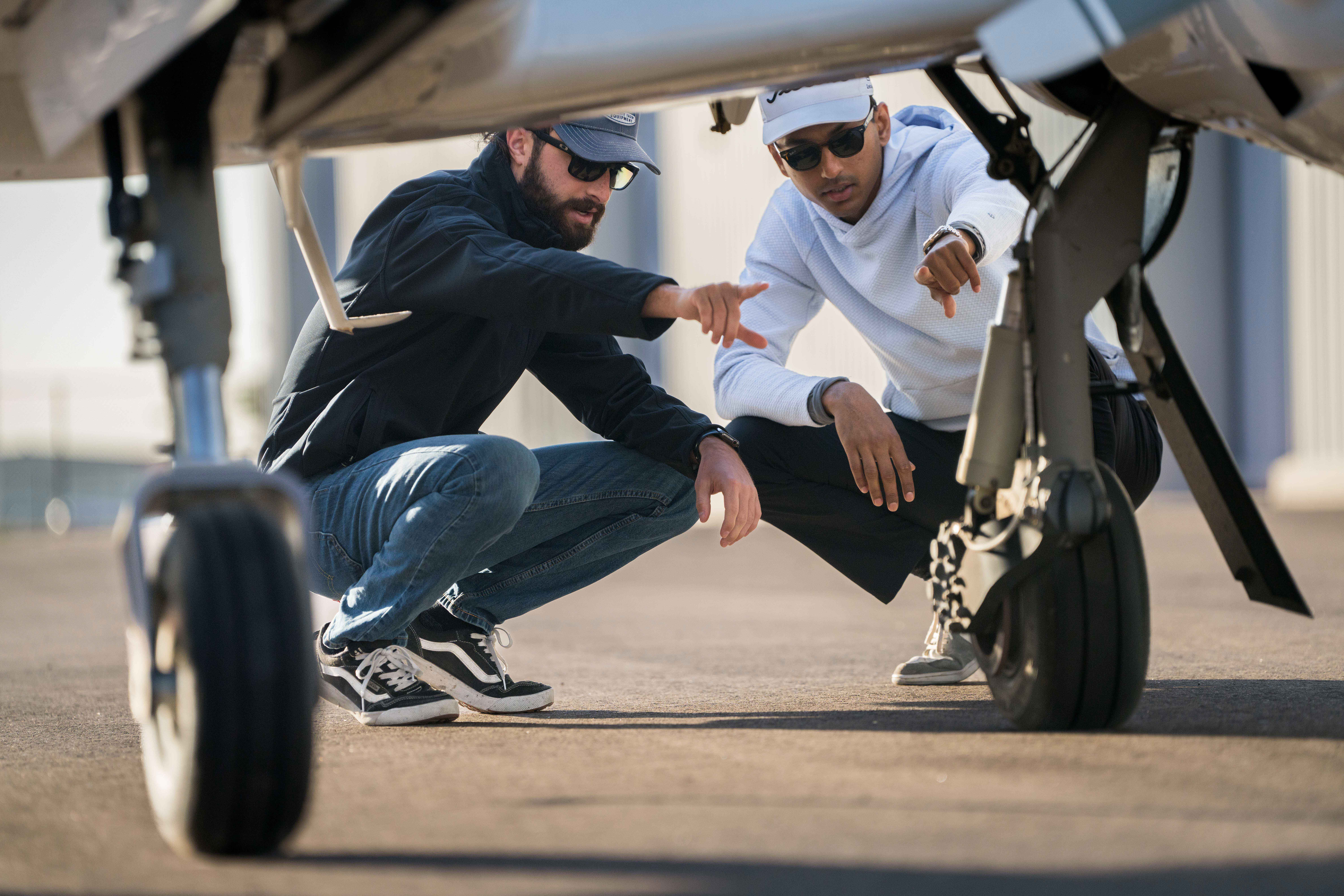
That mindset shows up the most when we're teaching engine failures, especially down low. An engine failure at 400 feet is, in my mind, one of the most important maneuvers we train. It's also one of the least forgiving. There's no time to debate options or second-guess inputs. The first priority is always the same: level the airplane and build airspeed. Speed is life. Without it, nothing else you do matters.
I learned how quickly that can unravel early in my MEI career. I had a student in the left seat during a simulated engine failure right after takeoff. At about 400 feet, I pulled the power, and almost immediately the student stepped on the wrong rudder. The airplane rolled aggressively — close to a 60-degree bank — and we were still low, still accelerating, still in a phase of flight where everything is happening fast. It took a quick correction to bring it back under control, but the moment stayed with me long after we taxied in.
What stood out wasn't just the mistake. It was how fast it developed. There wasn't a gradual lead-up or a clear warning. It was one incorrect input, and suddenly we were in a situation that could have gone very differently outside of a training environment.


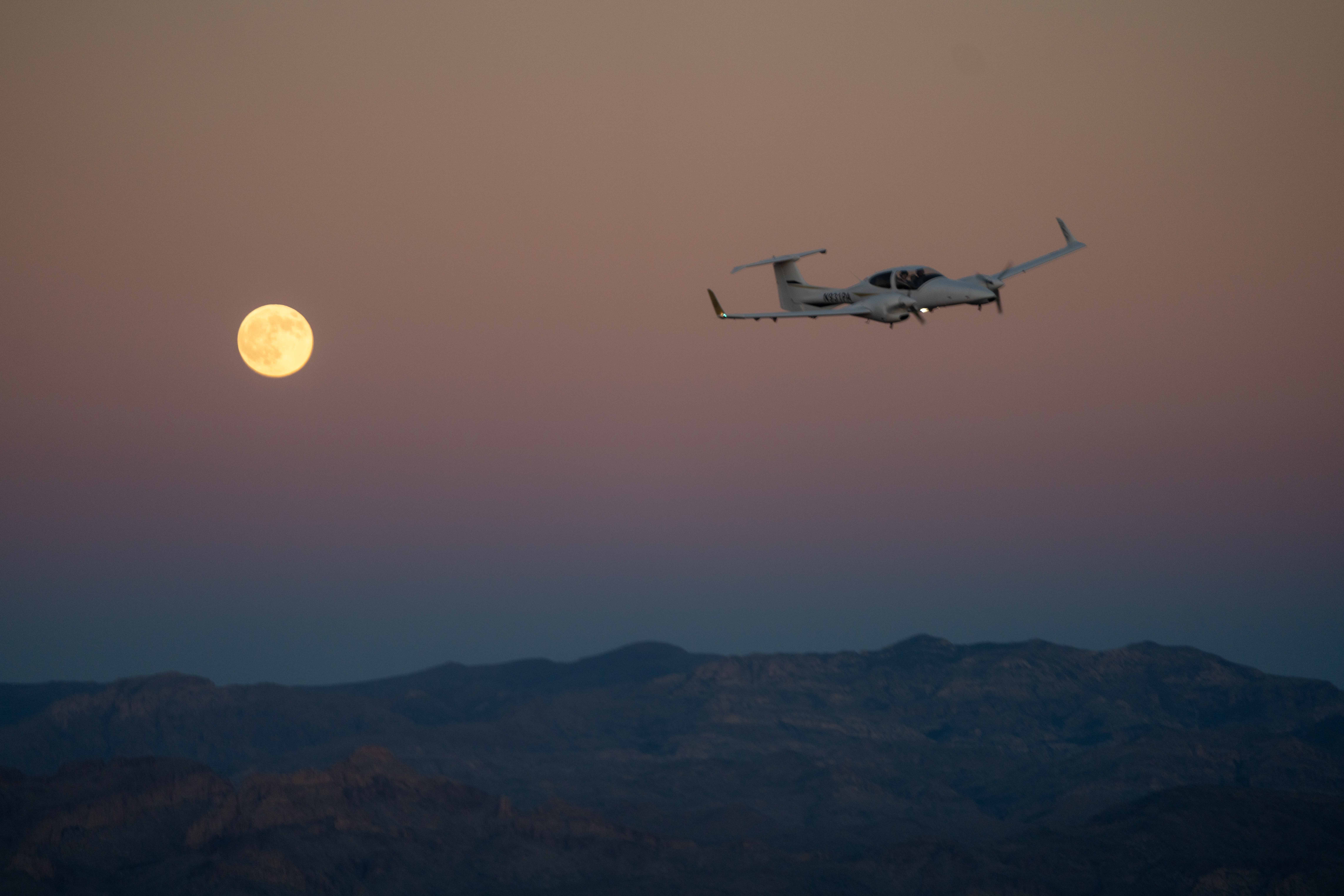
That changed how I teach. Since then, I've made a point to put students — especially MEI candidates and other instructors — into those scenarios in a controlled way. Not to catch them off guard, but to let them feel how quickly things can escalate and what it takes to recover. You can brief correct rudder inputs all day, but until someone feels the airplane start to roll the wrong way at low altitude, it doesn't fully register. The goal isn't perfection. It's recognition and response.
Another pattern I see ties into that. Students often struggle with the flow of the engine failure drill. Early on, they'll skip steps or do things out of order. Then, once they've memorized it, they go the other direction and rush through everything like they're trying to beat a timer. Neither one works.
I spend a lot of time reinforcing that this isn't about speed in the way they think it is. Yes, the situation is time-sensitive, but that doesn't mean every action needs to happen instantly. The priority is aircraft control, then a deliberate, correct flow. Identify, verify, decide — done in the right order, with intention. When that foundation is there, the speed comes naturally. When it's not, rushing just hides the gaps.
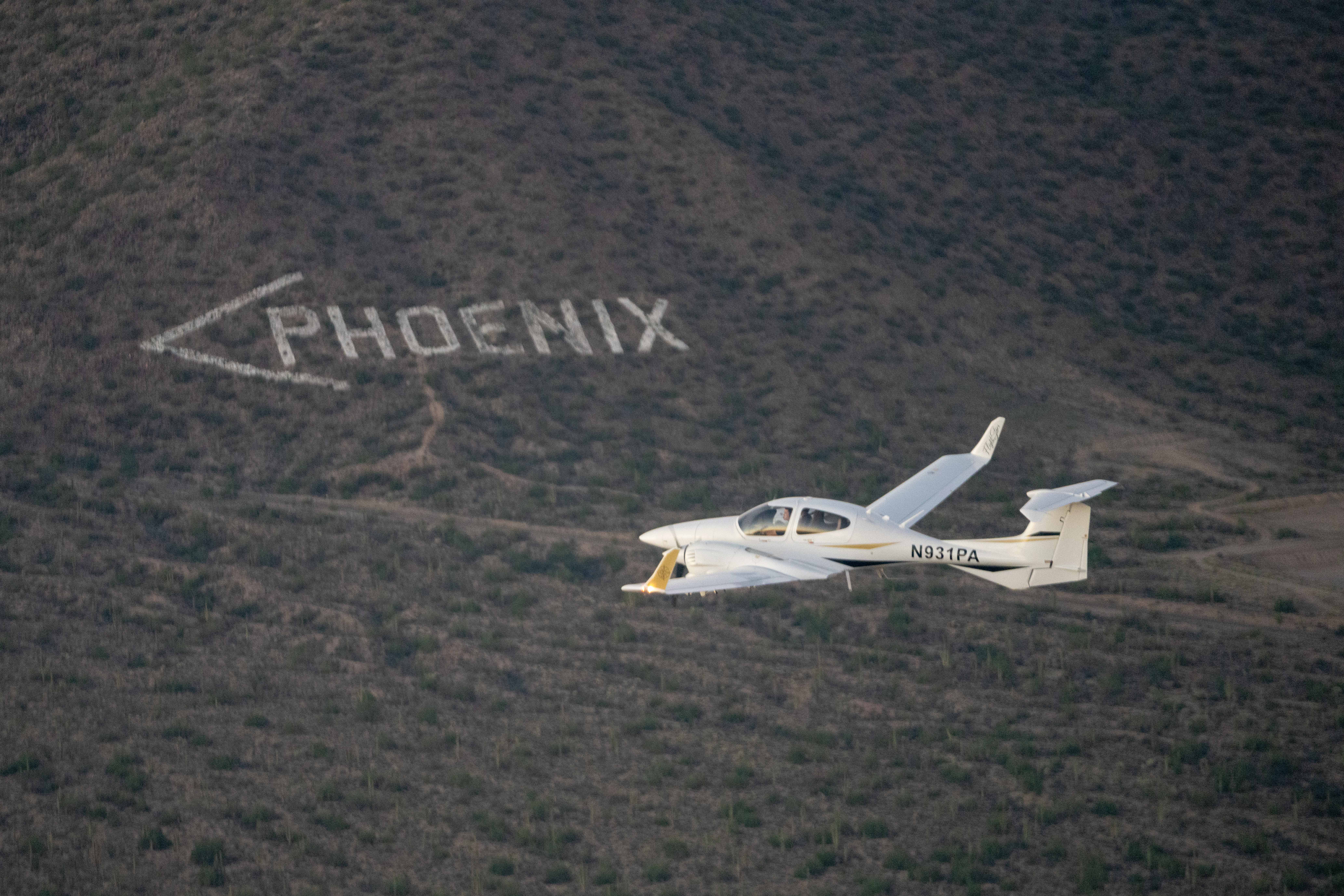
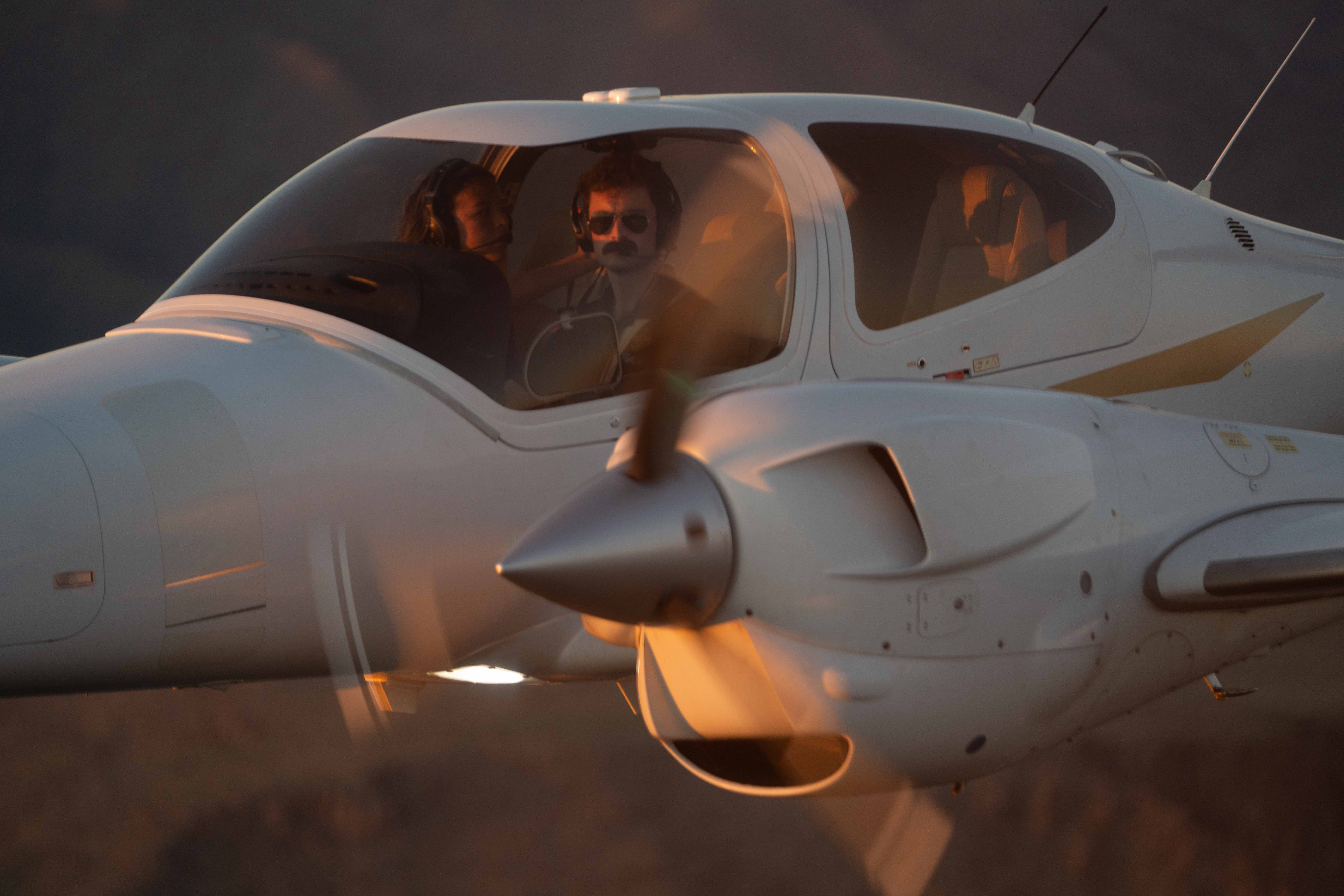
Somewhere in all of this, I try to remind students of something that's easy to lose in multi-engine training: this is supposed to be fun. It's a quick rating, and the standards are high for a reason, but that doesn't mean every lesson has to feel heavy. If anything, the challenge is part of what makes it enjoyable.
I tell them to study hard, take it seriously, and show up ready to work. But I also want them to enjoy the process, to ask questions, to learn from each other the same way we do as instructors. Because at the end of the day, no matter what level of flying you're at, we're all operating in the same environment.
And when things get uncomfortable — and they will — the fundamentals don't change.
Level the airplane. Build airspeed.
Speed is life.
Buddy King
MEI · Flight Stars